



Dead Babies T-Shirt

DEAD BABIES T-SHIRT
Shock rock's most misunderstood anthem and Alice Cooper's unforgettable lesson in theatrical satire.
Few songs in the history of rock music have generated as much controversy from a title alone as "Dead Babies". First appearing on Alice Cooper's landmark 1971 album Killer, the song quickly became one of the most notorious moments in the band's catalogue. Yet behind its deliberately provocative title lies something entirely different from what many first assumed. Rather than glorifying violence, Dead Babies is a darkly theatrical condemnation of parental neglect and a classic example of Alice Cooper's ability to use horror imagery to expose uncomfortable social realities.
Emerging at the dawn of the 1970s, Alice Cooper was redefining what a live rock performance could be. Combining hard rock with horror cinema, vaudeville, Grand Guignol theatre and black comedy, the band shocked audiences with guillotines, fake executions, snakes, dolls and elaborate stage productions. Every performance blurred the line between rock concert and gothic theatre, influencing generations of artists from KISS and Marilyn Manson to Rob Zombie and Ghost.
Killer is widely regarded as one of the band's greatest albums, featuring classics such as "Under My Wheels," "Halo of Flies," and "Be My Lover." Nestled among them sits "Dead Babies," perhaps the album's most misunderstood track. Musically it shifts between eerie verses and crushing riffs, creating an atmosphere of creeping unease that perfectly complements its unsettling narrative.
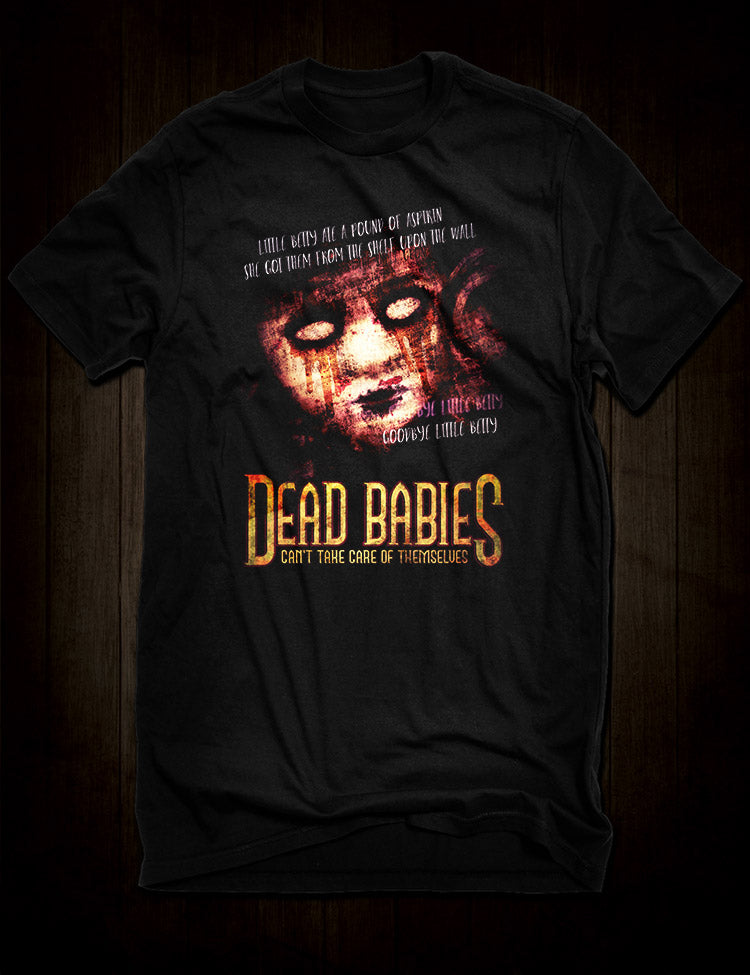
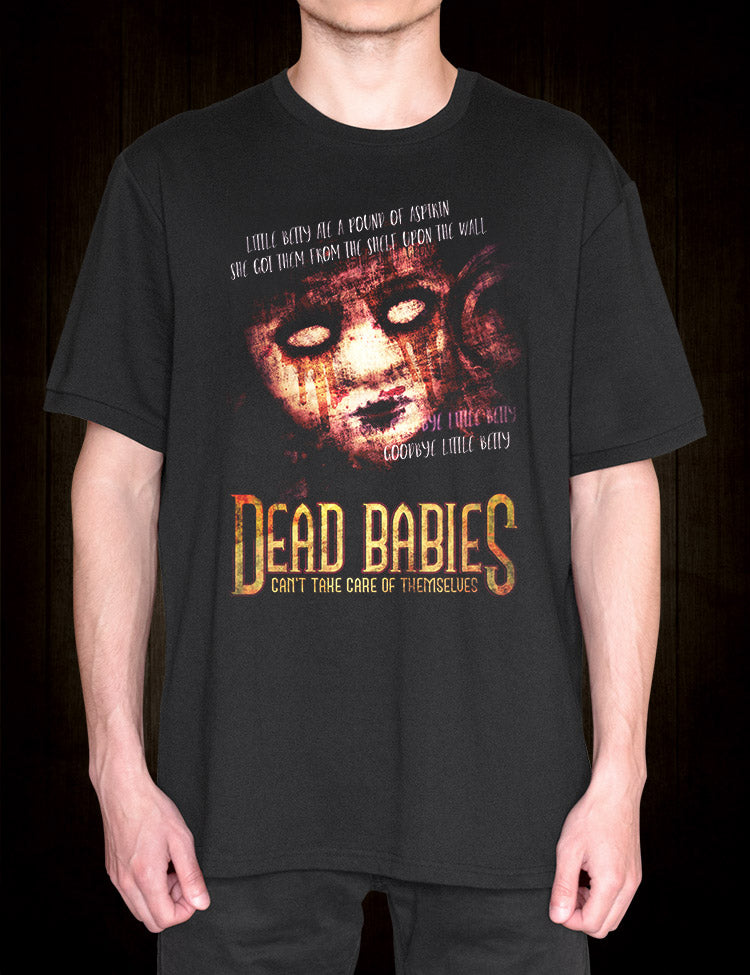
"Little Betty ate a pound of aspirin. She got them from the shelf upon the wall..."
The song tells the fictional story of "Little Betty," a neglected child left without proper care or supervision. As the lyrics unfold, Alice Cooper delivers not celebration but accusation. The horror lies not in the child herself, but in the indifference of the adults who failed to protect her. Cooper himself has repeatedly explained that the song was intended as social commentary aimed at irresponsible parenting rather than an exercise in gratuitous shock.
Like much of Alice Cooper's work, the song demonstrates how horror can be used as metaphor. The grotesque imagery forces listeners to confront subjects that polite society often prefers to ignore. It is precisely this combination of theatrical excess and underlying message that helped establish Cooper as the undisputed pioneer of shock rock.
On stage, "Dead Babies" became one of Alice Cooper's signature performances. Featuring eerie lighting, unsettling props and a doll representing Little Betty, the song evolved into one of the centrepieces of the band's spectacular live shows. The theatrical presentation reinforced its status as performance art rather than simple provocation, cementing Alice Cooper's reputation as one of rock's greatest showmen.
The artwork featured on this design embraces the haunting aesthetic of the song through distressed horror imagery inspired by vintage exploitation posters and classic shock-rock graphics. Rather than depicting the narrative literally, it captures the unsettling mood and gothic theatricality that have made "Dead Babies" an enduring part of Alice Cooper's live legacy.
Today, Alice Cooper, Dead Babies, and shock rock history remain inseparable. More than fifty years after its release, the song continues to spark discussion while standing as one of the clearest examples of Alice Cooper's unique ability to combine horror, satire, social commentary and unforgettable rock music.
Sometimes the loudest scream isn't the chorus. It's the warning hidden beneath it.
💬 FREQUENTLY ASKED QUESTIONS (FAQs)
Q1: What album features "Dead Babies"?
A1: The song appears on Alice Cooper's classic 1971 album Killer, widely regarded as one of the defining records of early shock rock.
Q2: What is the song actually about?
A2: Alice Cooper has explained that it is a piece of social commentary highlighting the tragic consequences of parental neglect, presented through theatrical horror imagery.
Q3: Why is "Dead Babies" considered so controversial?
A3: Its provocative title and macabre stage presentation generated widespread attention, although the song's underlying message is often misunderstood by those unfamiliar with its lyrics and context.