
Heartworn Highways: The Film That Caught Outlaw Country Before It Became a Brand
Music documentaries generally arrive after everybody has become important.
The records have sold. The mythology has hardened. Somebody has located the surviving participants and placed them in tasteful lighting to explain what it all meant.
Heartworn Highways did something considerably more useful.
James Szalapski pointed his camera at a collection of songwriters around Texas and Tennessee while the history was still happening and before anybody had agreed what to call it.
The resulting Heartworn Highways documentary contains Townes Van Zandt, Guy Clark, Steve Earle, Rodney Crowell, David Allan Coe, Steve Young, Larry Jon Wilson and others. Yet its real subject is something harder to package: a musical community before the legend swallowed it.
Before Outlaw Country Became a Uniform
By the mid-1970s, Nashville had perfected a remarkably efficient music industry. Records could be smooth, professional and built for radio.
A younger generation of writers wanted something rougher around the edges.
They drew from traditional country, blues, folk and rock, prized individual songwriting and operated around a network stretching between Nashville and Texas. Willie Nelson and Waylon Jennings were becoming the commercial faces of what would be called outlaw country, but Szalapski concentrated largely on another layer of the movement.
These were writers in kitchens, trailers, studios and bars rather than stars arriving beneath arena spotlights.
Kino Lorber, the film's current distributor, describes Szalapski's achievement as catching a fleeting moment when these musicians gathered at Guy and Susanna Clark's Nashville home or Townes Van Zandt's Austin trailer and played songs for one another.
That informality is the film's great historical advantage.

A Camera in the Kitchen
Heartworn Highways rarely behaves like a conventional music documentary.
There is no authoritative narrator explaining why somebody matters. The film moves between musicians and locations with the loose curiosity of a visitor who has been invited inside and sensibly decided not to interrupt.
Its most celebrated sequence finds Townes Van Zandt performing “Waitin' Around to Die” at home while elderly neighbour Seymour Washington listens nearby. Washington's emotional reaction supplies the sort of moment a more controlled production might spend days trying to manufacture.
Elsewhere, David Allan Coe performs at Tennessee State Prison. Larry Jon Wilson appears in the studio. Young songwriters drift through Guy Clark's orbit.
The camera is not documenting monuments. It is documenting people who do not yet know they will become monuments.
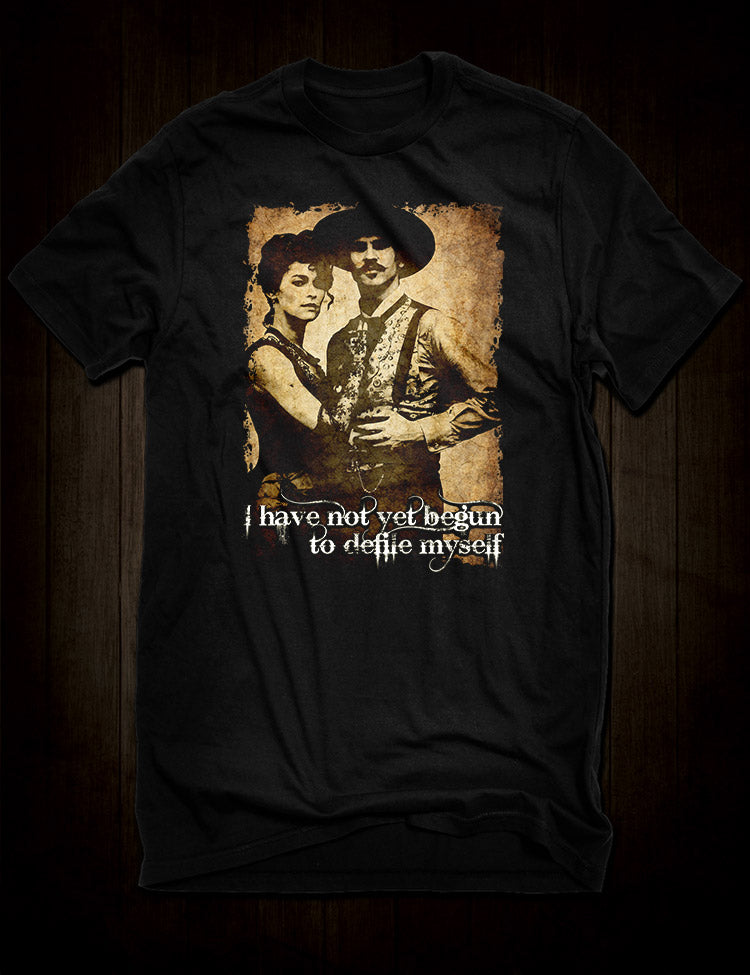
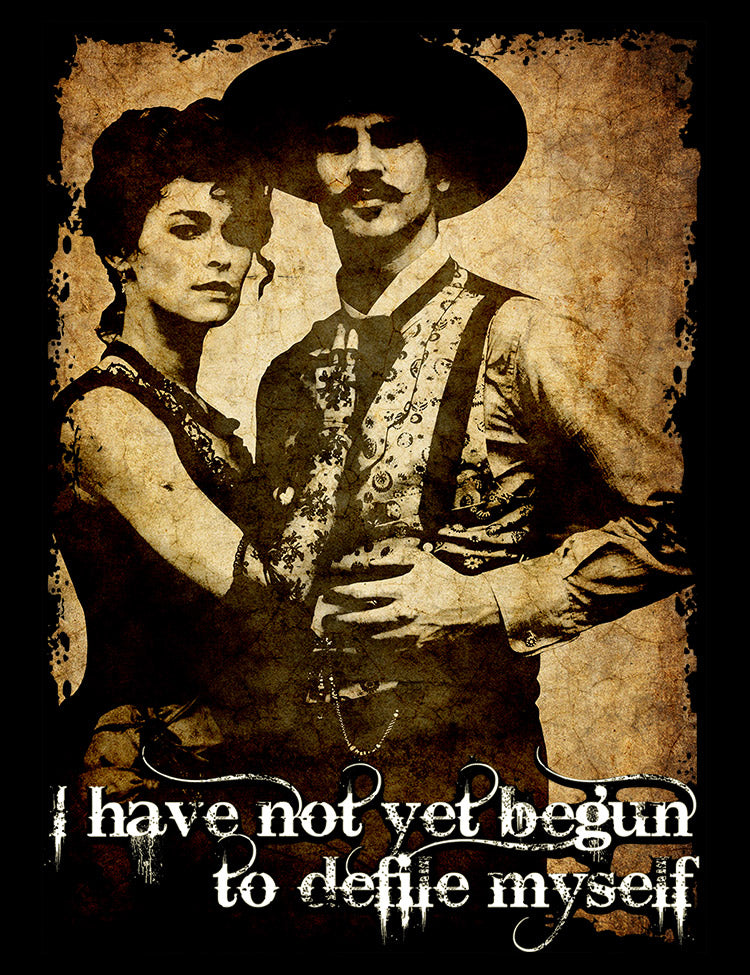
Hellwood's Heartworn Highways T-Shirt comes directly from that battered, unvarnished corner of American music culture.
Steve Earle Before Steve Earle
Time has made the film stranger.
Steve Earle and Rodney Crowell appear as young musicians years before the careers for which they became widely known. The Belcourt Theatre notes that the documentary contains early recordings by both.
Viewed now, those appearances encourage us to look for signs of future greatness. The film itself is refreshingly uninterested in doing so.
Its musicians exist in the present tense.
That culminates at Guy Clark's Nashville home around Christmas, where friends gather around the table, pass guitars and sing. Nobody announces that this is an important scene in the history of Americana.
They are busy having Christmas.

Why Heartworn Highways Still Feels Different
The irony is that outlaw country eventually acquired its own mythology, imagery and commercial vocabulary. Rebellion sells perfectly well once somebody works out the packaging.
Heartworn Highways remains valuable because it catches the stage before that process was complete.
The rooms are ordinary. The clothes look worn because they are worn. Songs are performed to whoever happens to be sitting nearby. Music is less a career strategy than the common language connecting the people on screen.
Its loose construction, criticised by some contemporary reviewers, now feels almost essential. A tidy thesis would make the film less convincing. Communities rarely understand themselves in neat chapters while they are still forming.
For more music from the same rough road, Hellwood's Country & Folk Music collection follows the songwriters, bluesmen and country outsiders, while Twisted Americana heads further into the mythology around them.
The Moment Before History
Most documentaries tell us what survived.
Heartworn Highways shows us what survival looked like before anyone knew the answer.
Some of its young musicians became famous. Others remained cult figures. The loose collection of songs, friendships and stubborn independence helped feed what would later be called outlaw country and Americana.
But the film's greatest achievement is smaller.
It preserved the room before somebody put a plaque on the door.

HEARTWORN HIGHWAYS T-SHIRT
A Hellwood tribute to James Szalapski's cult documentary and the loose community of songwriters who helped reshape American country music before outlaw became a marketing category.