






The Addiction Movie Poster T-Shirt

THE ADDICTION MOVIE POSTER T-SHIRT
A Cult Movie T-Shirt Available in Black Cotton.
Released in 1995, The Addiction is not a vampire film in any conventional sense. Directed by Abel Ferrara, it uses vampirism as a moral and metaphysical disease — a way of interrogating guilt, violence, history, and the seductive nature of evil itself. Shot in stark black and white, the film feels less like narrative cinema and more like a philosophical indictment.
At its centre is Kathleen, a graduate philosophy student played with icy intensity by Lili Taylor, whose intellectual immersion in thinkers like Nietzsche and Heidegger collides violently with a new, embodied hunger. Addiction here is not metaphorical flourish — it is literal, relentless, and unforgiving. Once tasted, it demands justification. Once justified, it demands repetition.
“Evil is not a mistake. It is a decision.” — The Addiction
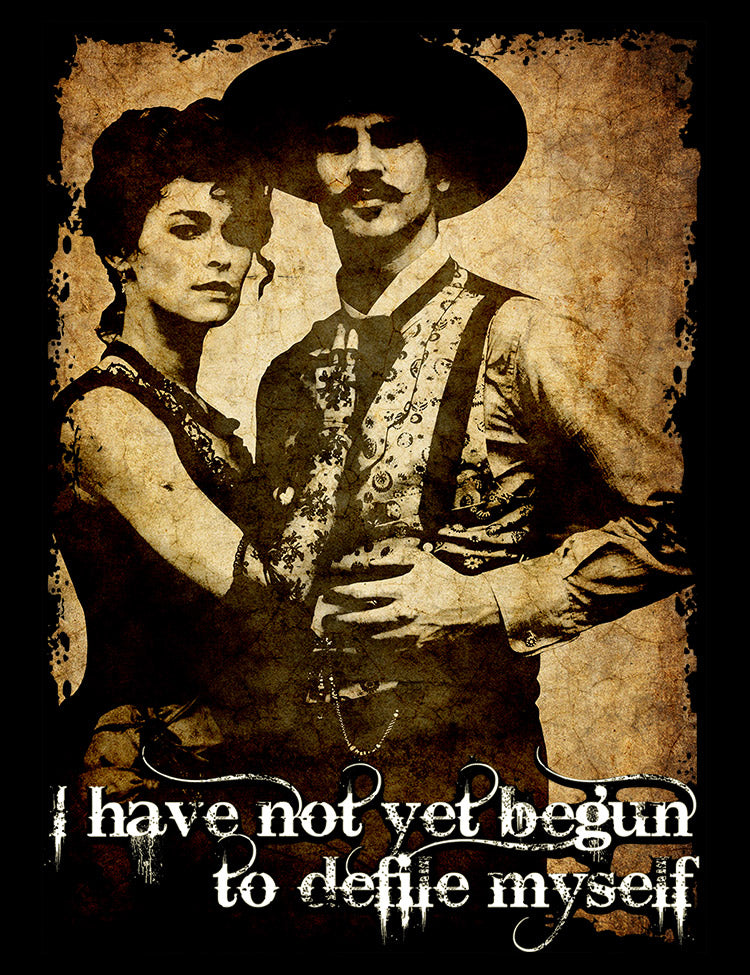
Ferrara strips away glamour entirely. There is no erotic sheen, no romanticised monstrosity. Blood is consumption, not seduction. The city becomes a moral graveyard, its history soaked into every act of violence. Cameo appearances by Christopher Walken and Annabella Sciorra reinforce the film’s sense of inherited guilt and cyclical brutality — sin passed down, refined, intellectualised.
What elevates The Addiction to cult status is its refusal to comfort. It does not explain itself. It does not absolve its characters. It asks whether knowledge excuses cruelty, whether philosophy can coexist with violence, and whether evil persists because it is endlessly rationalised. The final act, staging confession and communion as moral theatre, leaves the viewer complicit and unsettled.
The The Addiction Movie Poster T-Shirt is a Hellwood tribute to that confrontation. For those drawn to cinema that wounds rather than entertains — films that treat horror as an ethical question, not a spectacle.
There is no cure. Only awareness.
💬 FREQUENTLY ASKED QUESTIONS (FAQs)
Q1: What is The Addiction about?
A1: It’s a philosophical horror film that uses vampirism as a metaphor for moral corruption, guilt, and the repetitive nature of violence and addiction.
Q2: Why is The Addiction considered a cult classic?
A2: Its austere style, intellectual ambition, and refusal to provide easy answers divided audiences on release but earned lasting admiration among fans of confrontational, art-house cinema.
Q3: How does it differ from traditional vampire films?
A3: The film removes romance and spectacle entirely, treating vampirism as a grim ethical condition rather than a supernatural fantasy.