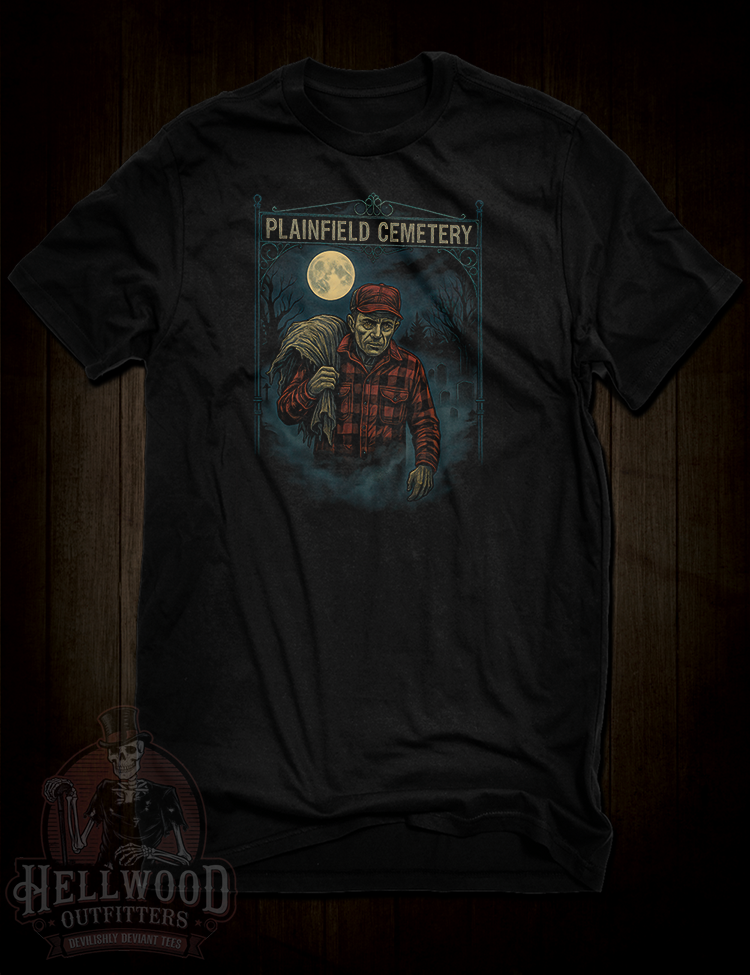
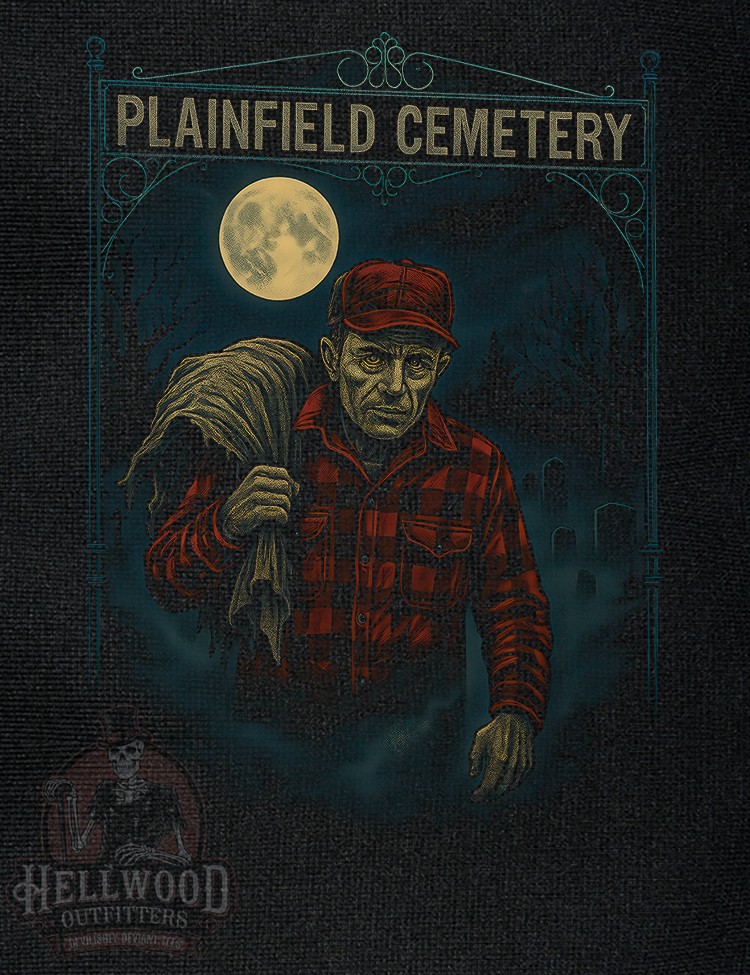




Rod Serling's Night Gallery T-Shirt

ROD SERLING'S NIGHT GALLERY T-SHIRT
A cult classic TV show t-shirt available in black cotton.
When Rod Serling stepped out of The Twilight Zone and into Night Gallery, he didn’t bring comfort with him. He brought shadows. Night Gallery was not about moral fables wrapped in science fiction. It was colder, stranger, and more intimate — a corridor of oil paintings that opened onto guilt, decay, obsession, and the quiet horror of consequence.
Premiering in 1970, Night Gallery reflected a darker cultural temperature. The optimism of the early Sixties had curdled. Vietnam dragged on. Trust in institutions eroded. Serling responded by abandoning allegory for atmosphere. These stories didn’t lecture. They lingered. Vampirism became metaphorical. Ghosts felt psychological. The terror wasn’t the twist — it was the slow realisation that something inside the characters had already rotted.
Framed by Serling’s measured introductions, each episode felt like a private viewing after hours. The gallery itself was a conceit of restraint and menace: still images, frozen moments, each hiding a narrative infection beneath the surface. Directors like Steven Spielberg passed through early in their careers, while writers experimented with form, tone, and ambiguity in ways network television rarely allowed.
“I submit for your approval…” — Rod Serling
The Rod Serling’s Night Gallery T-Shirt is a Hellwood tribute to that transitional moment in television horror — where anthology storytelling shed its clean edges and learned to breathe in the dark. For those who prefer unease over explanation, and horror that whispers rather than shouts.
Some paintings aren’t meant to be studied. They’re meant to be survived.
💬 FREQUENTLY ASKED QUESTIONS (FAQs)
Q1: How is Night Gallery different from The Twilight Zone?
A1: Night Gallery is darker and more horror-focused, relying on mood and psychological dread rather than moral allegory or speculative science fiction.
Q2: When did Night Gallery originally air?
A2: The series ran from 1970 to 1973, marking Rod Serling’s return to anthology television in a more explicitly horror-driven format.
Q3: Why is Night Gallery considered a cult classic?
A3: Its uneven but ambitious episodes, striking visual framing, and willingness to embrace ambiguity earned it lasting admiration among horror and TV historians.