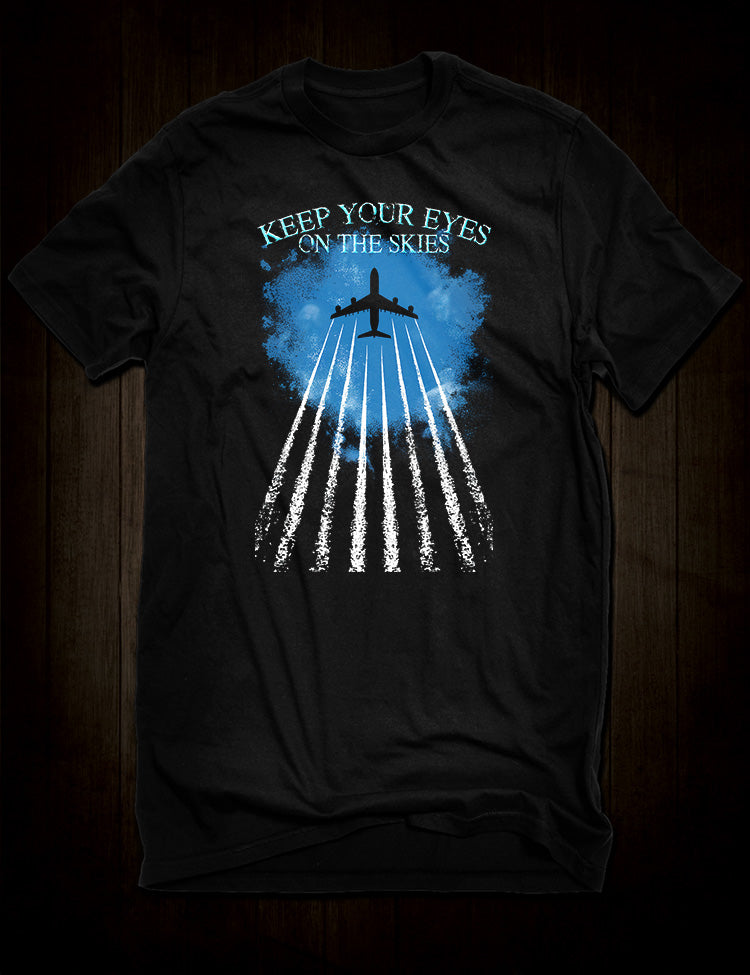
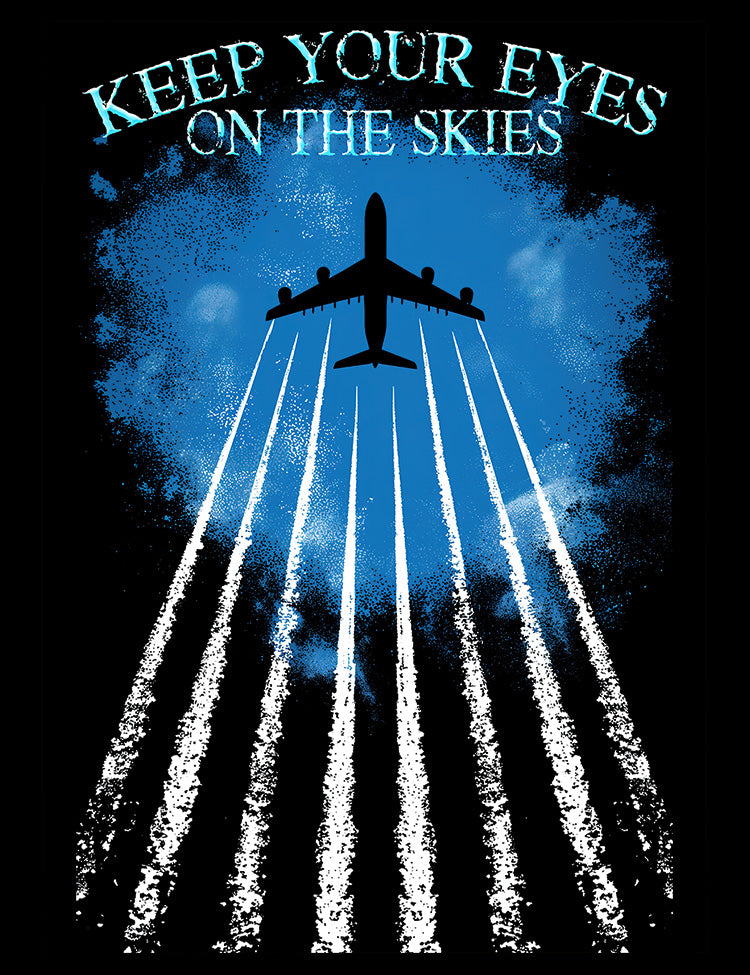


Don't Look Now T-Shirt

DON'T LOOK NOW T-SHIRT
A Cult Horror Movie T-Shirt Available in Black Cotton.
Few films turn mourning into menace as elegantly as Don’t Look Now. Directed by Nicolas Roeg, this 1973 masterpiece doesn’t frighten through shock, but through inevitability — the slow, unbearable sense that grief distorts time, perception, and fate itself. Set in a wintry, decaying Venice, the film unfolds like a whispered warning no one can quite hear in time.
At its centre are John and Laura Baxter, played by Donald Sutherland and Julie Christie, parents reeling from the accidental death of their daughter. Venice becomes a labyrinth of echoes and omens — flooded passageways, blind alleys, and the recurring apparition of a small red-coated figure glimpsed just out of reach. Roeg fractures chronology and causality, cutting memory, premonition, and present into a single, unstable emotional state.
What makes Don’t Look Now endure is its refusal to separate supernatural horror from human despair. Psychic visions and prophetic dread exist not as spectacle, but as extensions of trauma. The film asks a brutal question: when loss breaks linear time, are we seeing the future — or simply rearranging the past in self-defence? The infamous final revelation lands not as a twist, but as a confirmation of everything the film has been quietly telling us all along.
“I keep seeing her.” — Laura Baxter
Adapted from Daphne du Maurier’s short story, the film distils her sense of fatalism into pure cinema. Editing becomes prophecy. Colour becomes warning. Sound becomes memory. Don’t Look Now doesn’t rush you — it leads you, gently, somewhere you were always going to end up.
The Don’t Look Now T-Shirt is a Hellwood tribute to that singular achievement. For those who favour psychological horror over spectacle, symbolism over explanation, and films that linger long after the screen goes dark.
Some warnings arrive too late. Some were never meant to be understood.
FREQUENTLY ASKED QUESTIONS (FAQs)
Q1: What is Don’t Look Now about?
A1: The film follows a grieving couple in Venice who become entangled in psychic visions and ominous events after the death of their daughter, blending supernatural horror with psychological trauma.
Q2: Why is the film considered a cult classic?
A2: Its fragmented editing, emotional depth, and ambiguous approach to horror set it apart from conventional genre films, earning lasting critical acclaim and devoted audiences.
Q3: How does Nicolas Roeg’s style shape the film?
A3: Roeg’s use of non-linear editing, visual motifs, and associative cuts creates a sense of predestination and emotional dislocation central to the film’s power.