


The Death of the "Drop-Ship" Aesthetic: Why Authenticity Beats AI Every Time
If you’ve spent more than five minutes on social media lately, you’ve seen them.
The ads for t-shirts featuring a suspiciously "perfect" astronaut playing a neon guitar, or a vaguely vintage-looking mountain range with a generic inspirational quote. They look fine at a glance, but they feel… empty. They have the visual depth of a wet paper towel and the cultural soul of a spreadsheet.

Welcome to the era of the Algorithm-Driven Wardrobe. We are currently being buried under a mountain of mediocrity, fueled by a gold rush of YouTube "gurus" promising viewers they can get rich quick by automating their creativity. The formula is always the same: scrape the latest trending keywords, feed them into an AI generator, and flood the market with 5,000 "unique" designs that were never touched by a human hand or an original thought.
It’s the "Get Rich Quick" scheme of the decade, and it’s turning the world of graphic tees into a sea of cookie-cutter clones.
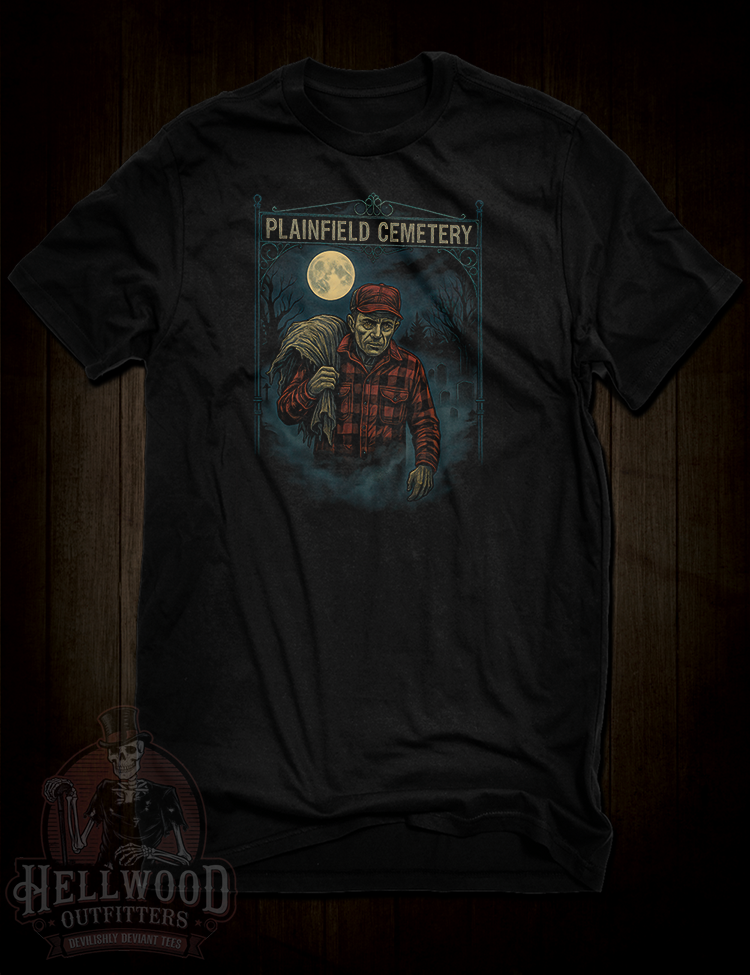
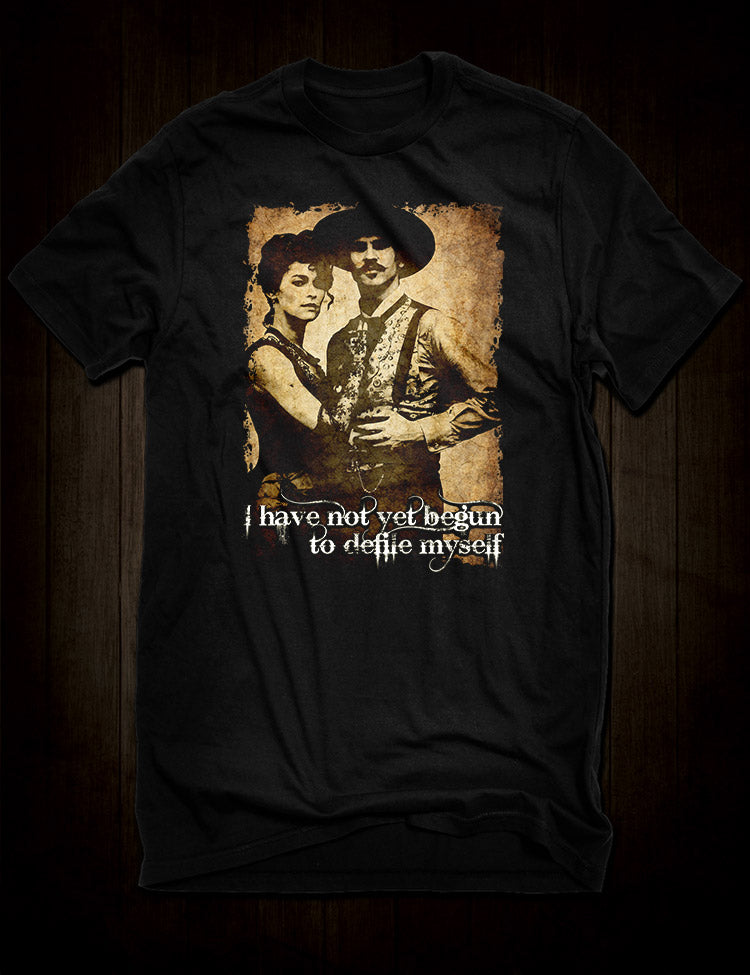
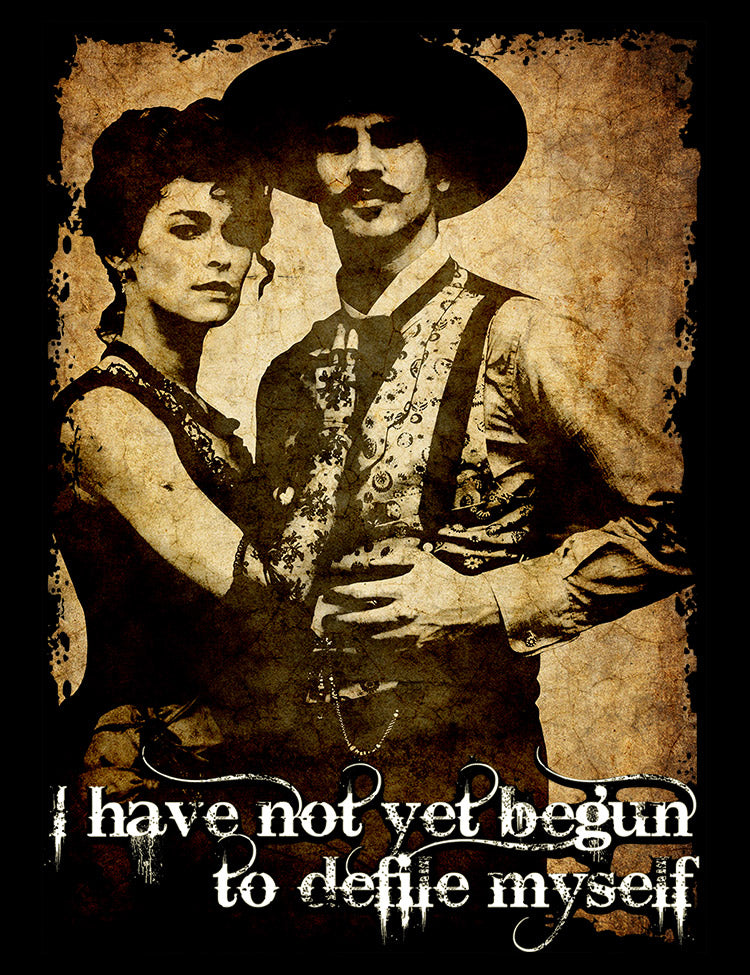
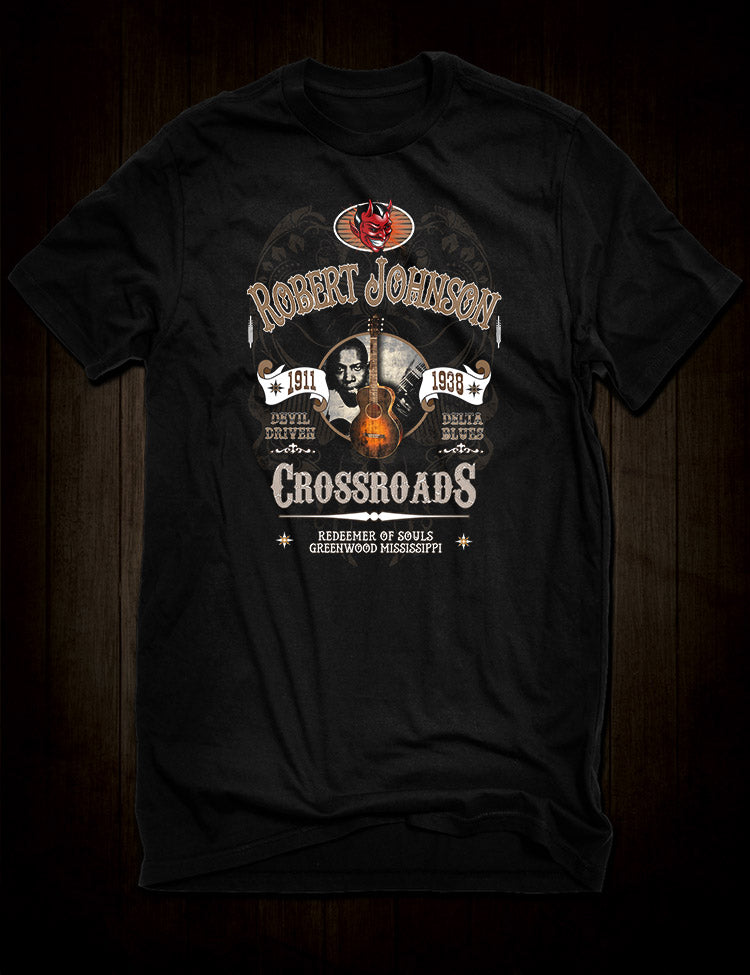
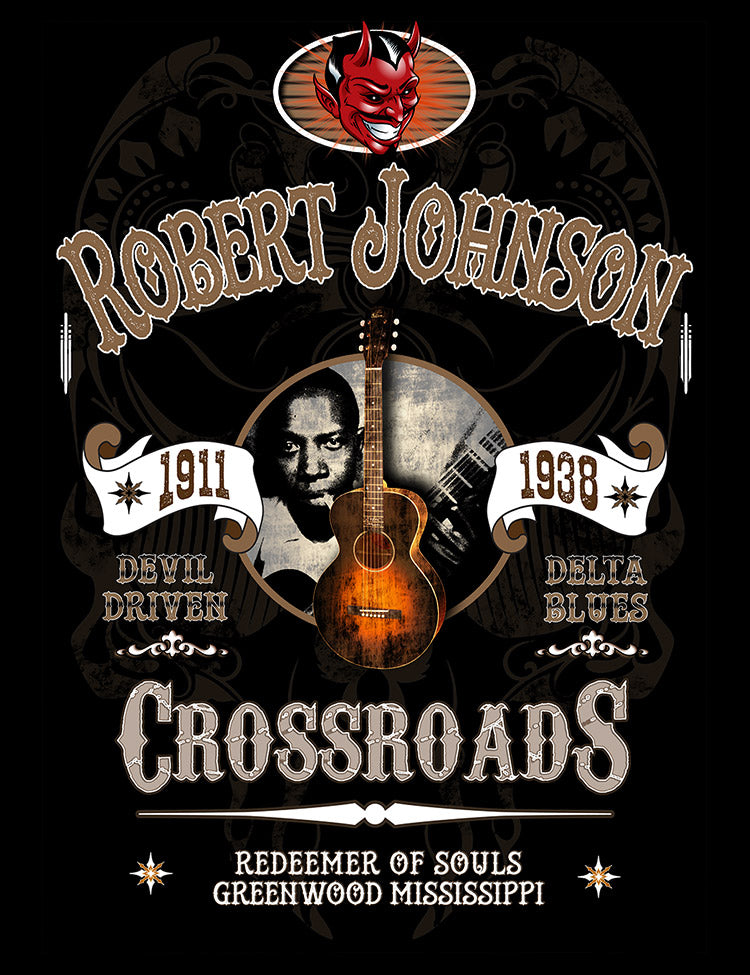
At Hellwood Outfitters, we’re calling time of death on the drop-ship aesthetic. We believe that what you wear should say something about who you are—your obsessions, your subcultures, and your refusal to blend in. A t-shirt shouldn’t be a byproduct of a prompt; it should be a piece of culture.
In this post, we’re pulling back the curtain on why the AI-t-shirt-industrial-complex is failing you, and why real, human-driven design is the only way to escape the "uncanny valley" of modern fashion.
II. The "YouTube Guru" Effect: How Creativity Became a Spreadsheet
If you search for "How to sell t-shirts" on YouTube, you aren’t met with tutorials on screen-printing techniques, color theory, or the history of punk rock aesthetics. Instead, you are bombarded with thumbnails of energetic twenty-somethings pointing at six-figure bank balances with captions like: "0$ TO $10,000/MONTH WITH AI CO-PILOT!" or "AUTO-PILOT PASSIVE INCOME: NO SKILLS REQUIRED!"
This is the "Guru Effect," and it’s the primary reason your Instagram feed looks like a repetitive fever dream.

These tutorials have turned fashion—an industry built on rebellion and self-expression—into a volume-based math problem. The advice is always the same:
-
Find the "Winning" Niche: Don't create what you love; find a keyword with high volume and low competition (e.g., "Grumpy Gardener Who Likes Metal").
-
Let the Bots Do the Heavy Lifting: Plug that niche into an AI art generator. Don't worry if the text is slightly garbled or the proportions are weird; the "system" favors speed over soul.
-
The "Spam the Wall" Strategy: Upload 50 designs a day. If one sticks, great. If not, the algorithm will eventually find a victim.
The result? A marketplace saturated with "placeholder apparel." These gurus aren't teaching people how to start a clothing brand; they’re teaching them how to build a digital vending machine.
The victim in this scenario is you, the customer. You end up buying a shirt from a "brand" that doesn't actually exist, run by someone who couldn't care less about the design on the fabric as long as the conversion rate stays above 2%. When the person selling the shirt isn't a fan of the culture they’re selling to, it shows. It feels hollow, it looks generic, and it’s the literal opposite of what "outfitter" culture used to be.
III. Why AI-Generated Art Often Misses the Mark (The “Uncanny Valley” of Fashion)
There is a concept in robotics called the "Uncanny Valley"—the point where a human-like robot becomes just realistic enough to be unsettling, but not realistic enough to be convincing. AI-generated t-shirt art has its own version of this.
At a quick glance, an AI design might look "cool." The colors are vibrant and the lighting is dramatic. But the moment you look closer, the logic falls apart. You start to notice the "glitches in the matrix":
-
The "Nonsense" Detail: AI doesn't know what a guitar string is; it just knows what a guitar string looks like. This results in instruments with twelve strings, fingers that blend into wood, or mechanical parts that serve no purpose.
-
The Lack of Cultural Context: A human designer knows that a 1980s horror-inspired shirt needs a specific grain, a certain typeface, and a color palette that screams "VHS rental store." An AI simply mixes "horror" and "retro" and spits out something that looks like a generic Halloween decoration from a big-box retailer.
-
The "Over-Polished" Problem: Much of the AI art floating around today looks too "rendered." It lacks the grit, the intentional imperfections, and the "human touch" that gives alternative streetwear its edge. It’s too clean, too symmetrical, and ultimately, too boring.


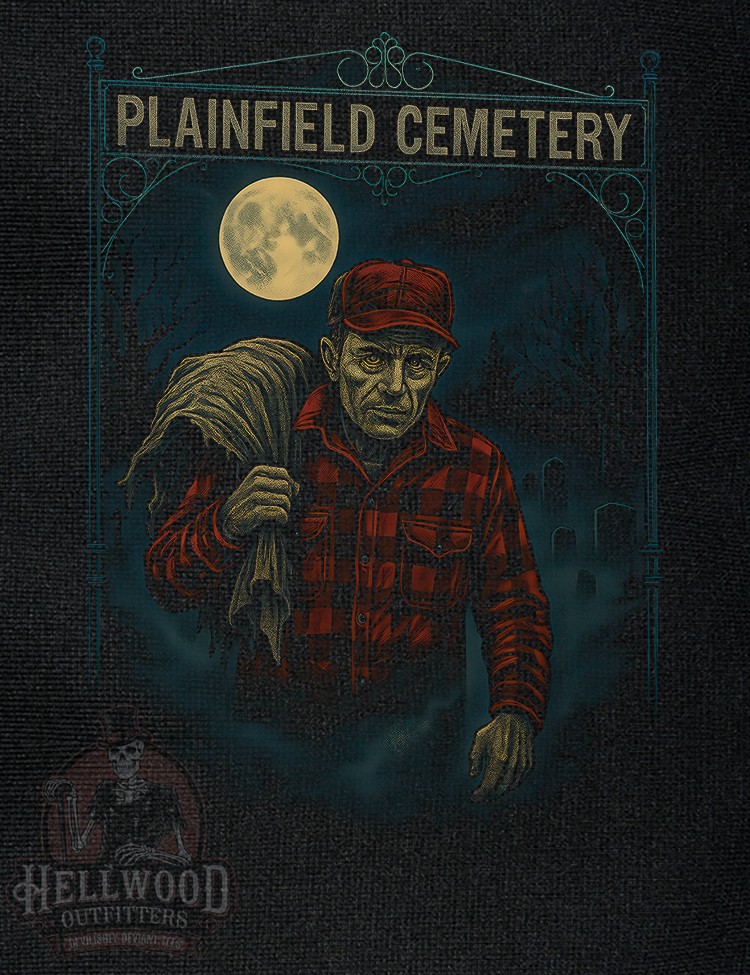
Real design is about intentionality. Every line, every drop of "distressed" texture, and every font choice in a Hellwood Outfitters piece is there for a reason. We aren't just filling a canvas to satisfy an algorithm; we’re building a visual narrative. When a machine creates a design, it’s guessing what you like based on a billion data points. When a human creates a design, they are sharing something they actually love.
IV. The Hellwood Philosophy: Design with a Pulse
At Hellwood Outfitters, we don’t start our morning by checking keyword difficulty scores or running scripts to see what’s "trending" on TikTok. We start with a feeling—a memory of a late-night movie marathon, the grit of a vintage concert poster, or the rebellious energy of a subculture that refused to play by the rules.
Our design philosophy is built on three non-negotiable pillars that no AI prompt can replicate:

1. Cultural Literacy
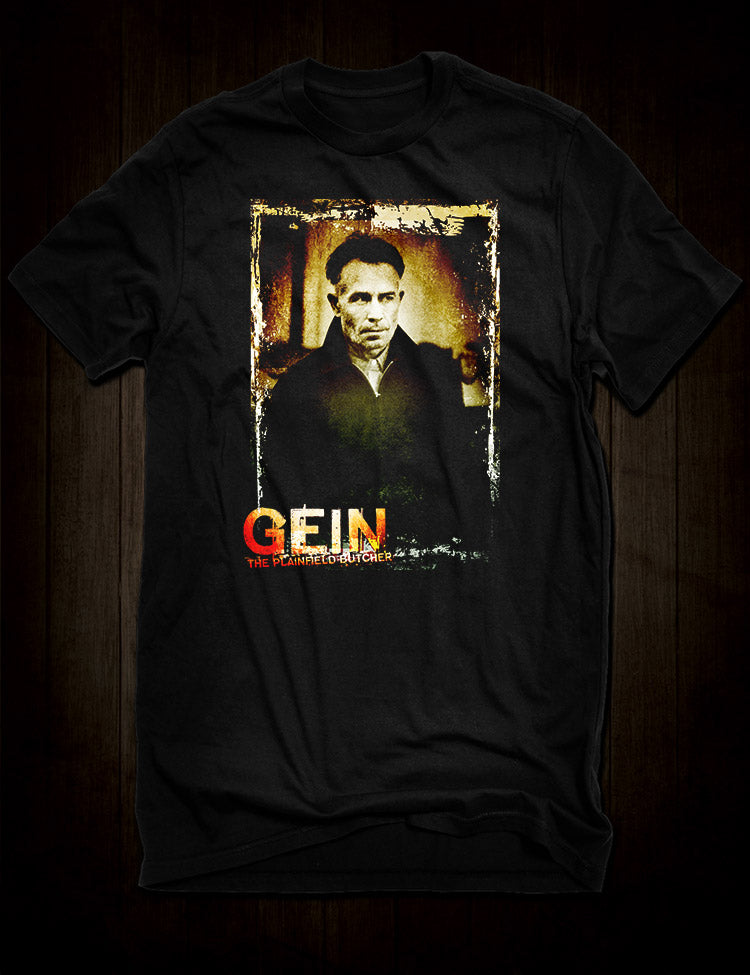
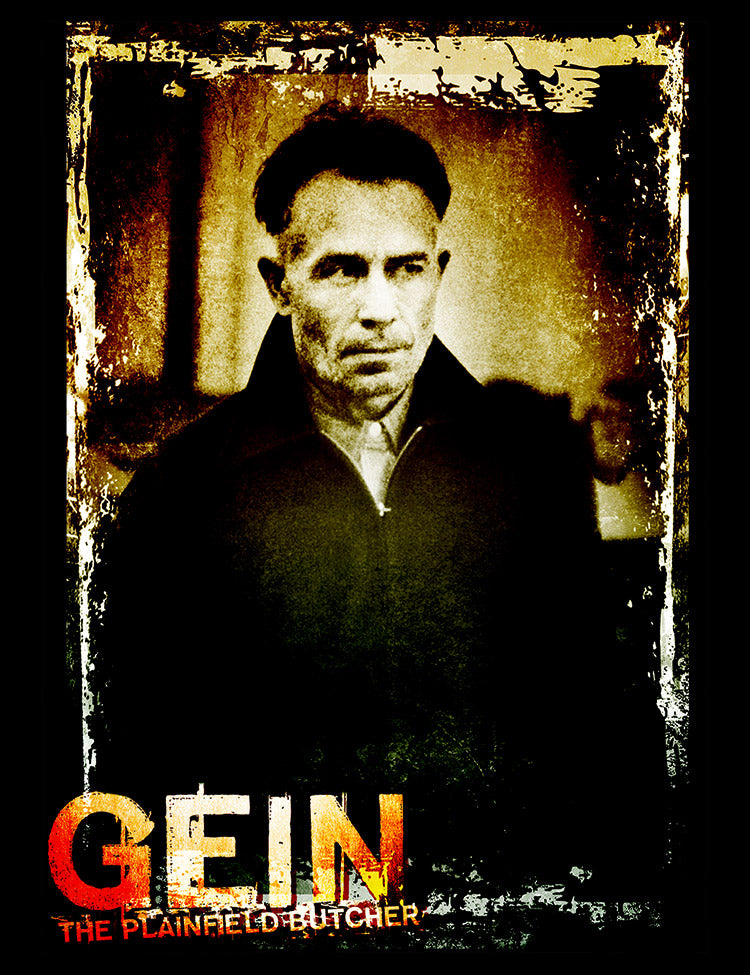
We don’t just put a "cool skull" on a shirt. We understand the lineage of the imagery we use. Whether it’s a nod to 1970s outlaw cinema or the aesthetic of a forgotten underground zine, our designs are rooted in actual history. When you wear a Hellwood tee, you aren’t just wearing a graphic; you’re wearing a "secret handshake" for people who get it.
2. Intentional Imperfection
Digital perfection is easy; character is hard. We spend hours obsessing over the "distress" of a print. We want our shirts to feel like that lucky thrift store find—the one you’ve owned for ten years that only gets better with age. AI struggles with "soulful grit"; it tends to make things too symmetrical and too clean. We embrace the textures, the rough edges, and the hand-drawn lines that remind you a human being actually sat at a desk and breathed life into the work.
3. Small-Batch Mentality
The "YouTube Guru" model relies on flooding the zone with thousands of mediocre options. We take the opposite approach. We would rather have ten designs that people obsess over than 1,000 designs that people simply "don't mind." Every piece in our collection has earned its place. If we wouldn’t wear it ourselves to a dive bar or a midnight screening, we don't sell it.
"A t-shirt shouldn’t just be something you wear to cover your skin; it should be a flag you fly for your tribe."

V. The Red Flag Checklist: How to Spot a "Soulless" Tee
The internet is a big place, and the "Get Rich Quick" bots are getting better at hiding. However, like a cheap movie prop, the facade usually falls apart if you know where to look.
Before you hit "Add to Cart" on that next targeted ad, run the brand through this quick BS detector:
-
The "Word Salad" Brand Name: Is the store called something like Awesome Trendy Apparel Co or Vintage Retro Style Lab? Automated stores often use generic, SEO-heavy names because they aren't building a brand; they’re building a search result.
-
The "Ghost" About Us Page: Check their story. Is it a generic paragraph about "providing high-quality apparel for modern lifestyles," or is there a real human story? If there are no names, no faces, and no specific location, you’re likely looking at a drop-shipping shell.
-
The Impossible Catalog: Does the store have 4,000 wildly different designs ranging from "Cute Cats" to "Gritty Vikings"? Real brands have a "vibe." If a store tries to be everything to everyone, they are likely just throwing AI-generated spaghetti at the wall to see what sticks.
-
Garbled Typography: Look closely at the text within the design. AI still struggles with spelling and consistent font weights. If a letter looks like it’s melting or a "the" is spelled "th3," close the tab.
Conclusion: Join the Resistance
The "YouTube Guru" era of fashion is built on the idea that you, the customer, won't notice the difference. They’re betting on the fact that you’ll settle for "good enough" as long as the price is low and the ad is flashy.
We think you deserve better.
By choosing independent labels and human-driven design, you aren't just buying a better-looking shirt—you're voting for a world where creativity actually matters. You’re supporting the artists who stay up late obsessing over the perfect shade of "faded black" and the writers who know why a specific movie quote carries weight.
Don't be a data point in someone’s passive income spreadsheet. Wear something with a pulse.