




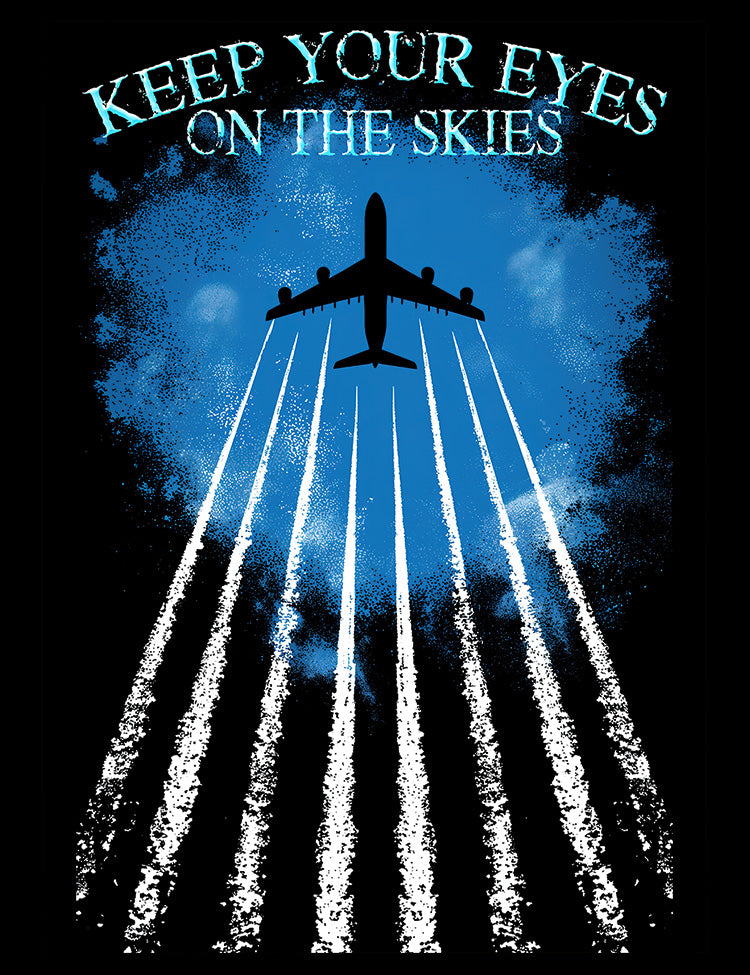


The Unabomber Comic Book T-Shirt

THE UNABOMBER COMIC BOOK T-SHIRT
Ted Kaczynski and the Eighteen-Year Hunt for America’s Most Elusive Bomber
For nearly two decades, a sequence of meticulously constructed bombs travelled through the American postal system or appeared in places connected with universities and commercial aviation. The devices seemed deliberately difficult to trace: their components were often handmade, identifying marks were removed and misleading clues were incorporated into their construction. The unknown attacker became the subject of one of the longest and most expensive investigations in FBI history.
The man eventually identified as the Unabomber was Theodore John Kaczynski, a former mathematics prodigy who had withdrawn from academic life to live in a small cabin outside Lincoln, Montana. Between 1978 and 1995, sixteen bombs attributed to Kaczynski killed three people and injured twenty-three others. His targets included academics, airline personnel, computer-industry figures and people associated with technological development.
The name “Unabomber” originated within the investigation rather than the press. The FBI initially classified the case under the code UNABOM, derived from “University and Airline Bomber”. The shortened name escaped into wider use and became inseparable from the case, even though investigators spent years without knowing the bomber’s identity, location or motive.
Kaczynski’s early life made his eventual isolation particularly striking. Born in Chicago in 1942, he entered Harvard University at sixteen and later earned a doctorate in mathematics from the University of Michigan. In 1967, he joined the University of California, Berkeley as an assistant professor, becoming one of the youngest members of its mathematics faculty. He resigned two years later and gradually abandoned conventional society.
By 1971, Kaczynski had moved into a primitive cabin in the Montana wilderness. The building had no electricity or running water. What began partly as an experiment in self-sufficiency developed into a deeper rejection of industrial civilisation. Kaczynski believed modern technology had destroyed individual freedom, reduced human autonomy and created systems that could no longer be meaningfully controlled by ordinary people.
"The Industrial Revolution and its consequences have been a disaster for the human race."
That sentence opened Industrial Society and Its Future, the 35,000-word manifesto Kaczynski demanded be published by a major newspaper. In 1995, after extensive debate and consultation with federal authorities, The Washington Post and The New York Times published the text. Investigators hoped someone would recognise its arguments, vocabulary or distinctive phrasing.
The decision produced the breakthrough that forensic evidence had failed to provide. Kaczynski’s brother, David, and David’s wife, Linda Patrik, noticed similarities between the manifesto and Ted’s earlier letters. Through an attorney, the family contacted the authorities and supplied examples of his writing. Linguistic comparison strengthened the suspicion that Kaczynski was the author.
Federal agents arrested him at his cabin on 3 April 1996. Inside, investigators found journals, bomb-making materials, a live explosive device and an original draft of the manifesto. The cabin itself was later removed from Montana and preserved as evidence. During Kaczynski’s 1998 court proceedings, disagreement over his mental condition and legal strategy nearly led to a full trial. He eventually pleaded guilty to federal charges and received multiple life sentences without the possibility of parole.
The Unabomber investigation remains a landmark case in behavioural analysis, forensic linguistics and the practical limits of physical evidence. It also left an uncomfortable cultural legacy. Kaczynski’s criticism of technological dependence continues to be discussed independently of his crimes, particularly as digital surveillance, automation and environmental damage have become increasingly prominent concerns. Yet the history of the case cannot be separated from the campaign of violence through which he attempted to force those ideas into public view.
💬 FREQUENTLY ASKED QUESTIONS (FAQs)
Why did Ted Kaczynski choose the name “FC”?
Kaczynski signed several communications with the initials “FC”, which he said stood for Freedom Club. Investigators found no evidence that such an organisation existed beyond Kaczynski himself.
How important was forensic linguistics to the Unabomber investigation?
It was central to identifying Kaczynski. Analysts compared the manifesto’s vocabulary, spelling, syntax and recurring expressions with letters supplied by his family, helping establish probable authorship before the cabin search.
What happened to Ted Kaczynski’s Montana cabin?
The FBI removed the cabin from its original location and transported it for use as evidence. It was later displayed at the Newseum in Washington, D.C., before that museum closed in 2019.