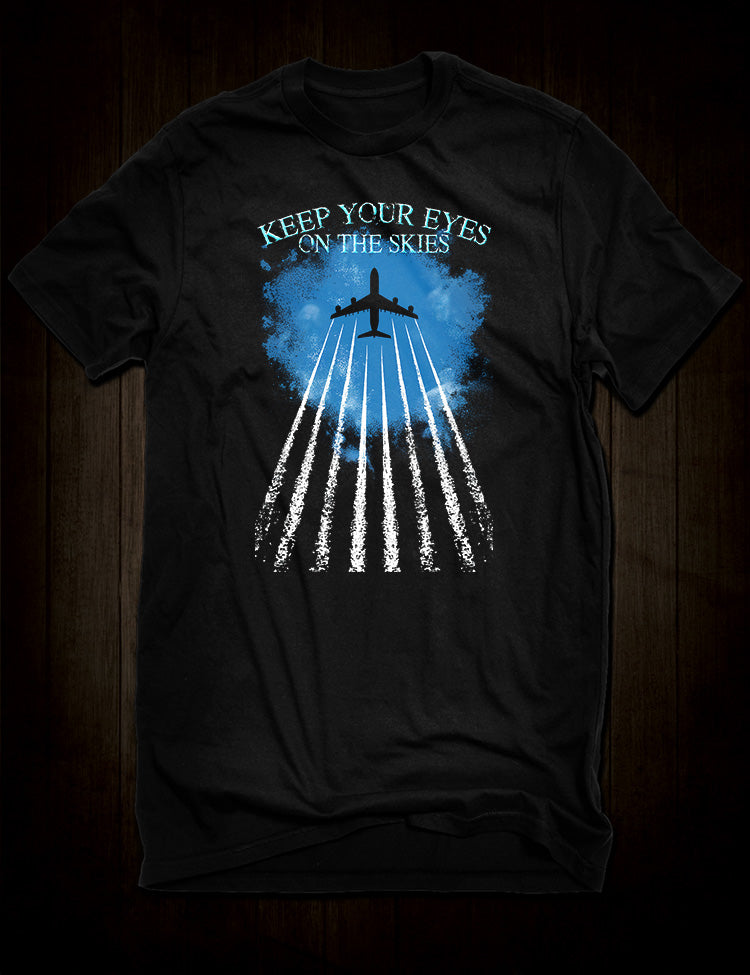
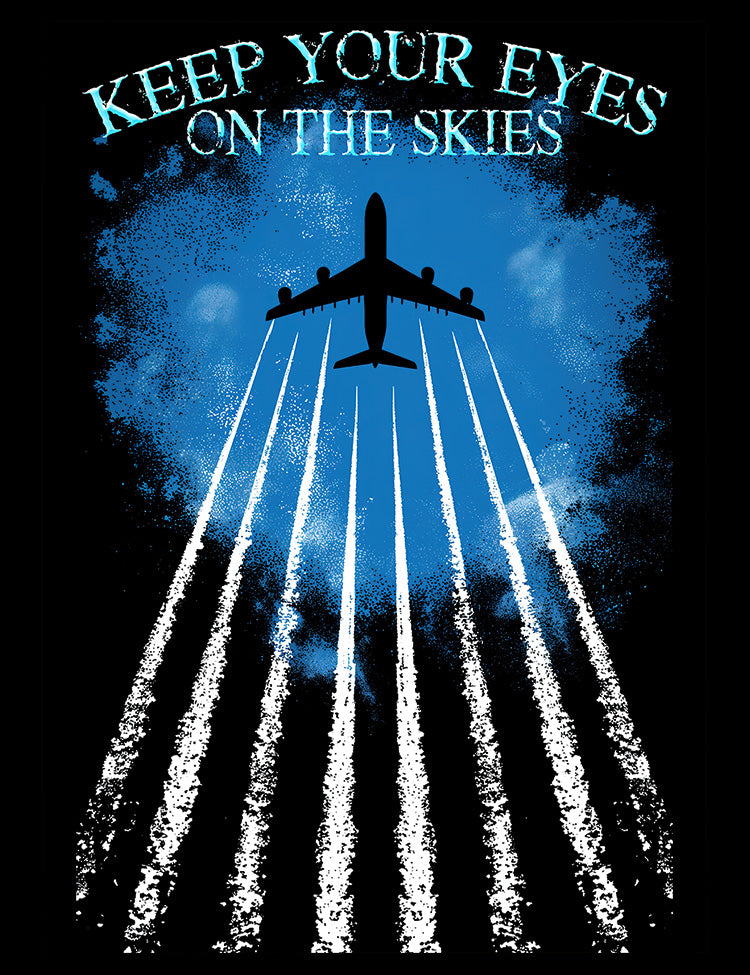


Henry Fool Trilogy T-Shirt

HENRY FOOL TRILOGY T-SHIRT
Poetry, paranoia, and the beautifully damaged universe of Hal Hartley.
Few filmmakers created worlds quite like Hal Hartley. Detached yet emotional, intellectual yet strangely vulnerable, his films occupied a cinematic territory entirely their own. Nowhere is that more evident than in the remarkable Henry Fool Trilogy — a sprawling, offbeat exploration of art, identity, family, politics, and chaos stretched across three films released over nearly a decade.
Beginning with Henry Fool in 1997, continuing through Fay Grim in 2006, and concluding with Ned Rifle in 2014, the trilogy charts the strange gravitational pull between damaged people trying to understand themselves while stumbling through increasingly absurd circumstances. At the centre is Henry Fool himself, played with slippery brilliance by Thomas Jay Ryan — poet, fraud, philosopher, manipulator, possible genius, and professional disruptor.
“Humanity is just a temporary chemical condition.” — Henry Fool
In Henry Fool, Hartley presents Henry as a catalyst crashing into the stagnant life of shy garbage collector Simon Grim, played by James Urbaniak. Henry encourages Simon to write, inadvertently transforming him into a celebrated poet while simultaneously dragging everyone around him into emotional and moral instability. The film balances deadpan humour with startling emotional honesty, creating one of the defining works of 1990s American independent cinema.
But Hartley refused to leave the story there. Nearly a decade later, Fay Grim transformed the trilogy into something stranger — a paranoid international spy thriller filtered through Hartley’s signature existential absurdity. Parker Posey steps into the spotlight as Fay, Simon’s sister, whose search for Henry drags her into conspiracies, intelligence agencies, and philosophical espionage. The shift in genre feels bizarre and completely natural at the same time, because Hartley’s universe has always operated according to emotional logic rather than conventional realism.
Then came Ned Rifle, focusing on Fay’s son as he attempts to reconcile the wreckage left behind by the adults around him. Quieter and more reflective, the film closes the trilogy with questions about inheritance, identity, forgiveness, and whether people can ever truly escape the stories written for them by others.
What makes the Henry Fool Trilogy so enduring is its refusal to behave like a traditional film series. It mutates constantly. Literary drama becomes espionage satire. Comedy drifts into philosophy. Ordinary conversations suddenly carry the weight of existential crisis. Hartley trusts language, awkwardness, silence, and contradiction in ways few filmmakers ever have.
Henry Fool, Fay Grim, and Ned Rifle remain cult landmarks because together they form one of independent cinema’s strangest and most rewarding journeys — a trilogy about art, truth, lies, and the unpredictable damage people inflict on each other in the name of meaning.
The notebook opens. The lies deepen. Somebody keeps searching for answers anyway.
💬 FREQUENTLY ASKED QUESTIONS (FAQs)
Q1: What films make up the Henry Fool Trilogy?
A1: The trilogy consists of Henry Fool (1997), Fay Grim (2006), and Ned Rifle (2014), all written and directed by Hal Hartley.
Q2: Why is the Henry Fool Trilogy considered important in indie cinema?
A2: The films combine literary dialogue, deadpan humour, emotional complexity, and genre experimentation in a way that became highly influential within independent filmmaking.
Q3: How are the three films connected?
A3: Each film follows different members of the interconnected Fool and Grim families, exploring how Henry Fool’s actions continue to shape the lives of those around him over time.